Unlocking the secrets of casino success Strategies for smart players
Understanding Casino Odds
To succeed in the casino landscape, players must first grasp the importance of odds. Each game has its own set of probabilities, which determine the house edge—the mathematical advantage that the casino holds over the players. Understanding these odds can significantly impact betting strategies and overall success. Knowledge of odds means players can make informed decisions, increasing their chances of winning rather than relying solely on luck. For example, some players may seek alternative options like a non gamstop casino to enhance their playing experience.
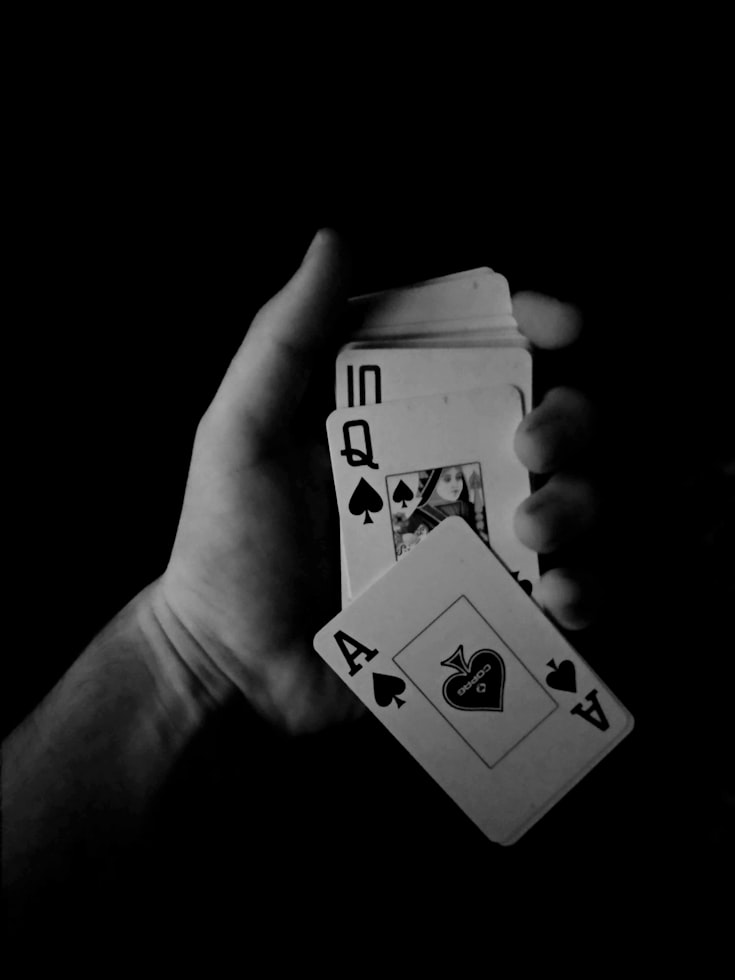
For instance, games such as blackjack and poker have a higher skill component and can offer better odds if players employ optimal strategies. In contrast, casino games like slots are purely based on chance, with fixed odds and little room for strategic play. By recognizing the odds associated with different games, smart players can tailor their gaming choices to maximize potential returns.
Bankroll Management Techniques
Effective bankroll management is another cornerstone of successful casino play. This involves setting limits on how much money to spend and sticking to those limits, regardless of wins or losses. By allocating a specific portion of their total funds for gambling purposes, players can ensure that they don’t exceed their financial boundaries, which is essential for long-term play.
Additionally, players should consider establishing win and loss thresholds. For example, deciding to walk away after winning a certain amount or losing a predetermined sum can help safeguard their bankroll. This strategy fosters discipline, reduces emotional gambling, and contributes to a more enjoyable gaming experience.
Choosing the Right Games
Smart players understand that not all casino games are created equal. Some games offer better odds and payouts than others. For instance, table games such as blackjack, baccarat, and certain variations of poker often present favorable odds when compared to slot machines. Players should focus on games where their skills can enhance their chances of winning.
Moreover, it’s important for players to familiarize themselves with the rules and strategies of the games they choose. Investing time in learning how to play a game properly can lead to improved decision-making during gameplay and ultimately, a higher probability of success. The right game choice can significantly amplify a player’s overall enjoyment and profitability in a casino setting.
The Role of Psychology in Gambling
The psychological aspect of gambling cannot be overlooked. Players often face emotional highs during winning streaks and lows during losses, which can influence decision-making. Smart players cultivate a mindful approach to their gambling habits, remaining aware of their emotional state and its potential impacts on their gameplay.
Being able to detach from emotions allows players to think clearly about their bets and strategies. Employing techniques such as self-reflection and setting realistic expectations can help mitigate the psychological pitfalls of gambling. Understanding the mental game is essential for those looking to maintain focus and strategy in the often unpredictable casino environment.

Enhancing Work-Life Balance with Responsible Gambling
Embracing a healthy work-life balance is crucial for anyone, including avid casino players. Engaging in responsible gambling means players can enjoy their pastime without it negatively impacting other areas of their lives. Setting aside specific times for gambling, while ensuring work and personal obligations are met, is vital in maintaining this balance.
Furthermore, resources that promote responsible gaming can be incredibly beneficial. Whether it’s workshops on gambling strategies or guidance on setting limits, these tools can equip players to enjoy their casino experiences while upholding their overall well-being. Balancing gambling with work and life enriches the experience, ensuring that it remains a fun and rewarding hobby rather than a source of stress.