Understanding the psychology behind casino gambling behavior
The Allure of Gambling: Psychological Triggers
Casino gambling is not just a game of chance; it is deeply rooted in psychological triggers that captivate players. The thrill of winning, the excitement of the game, and the atmosphere of a casino can stimulate dopamine release in the brain, reinforcing the desire to play. If you wish to learn more about the impacts of this phenomenon, click here. This biological response can create an addictive cycle, as players seek to replicate these feelings, drawing them back to the gaming floor time and again.
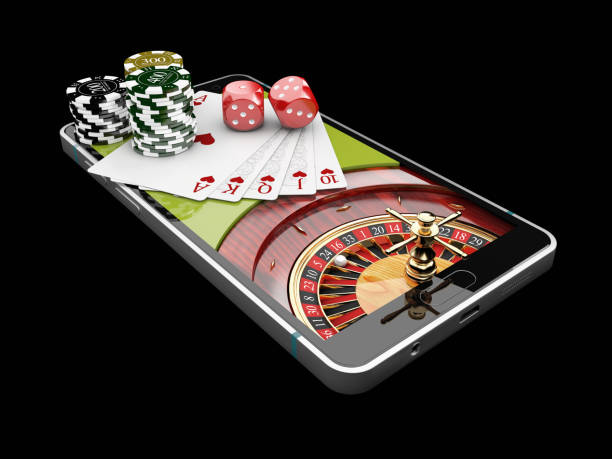
Additionally, the environment of a casino is meticulously designed to enhance this psychological effect. Bright lights, enticing sounds, and the presence of other players celebrating wins can create a euphoric atmosphere that encourages prolonged play. Gamblers often find themselves immersed in this sensory experience, which can distort their perception of time and money, further fueling their gambling behavior.
The Role of Cognitive Biases in Gambling
Cognitive biases significantly influence gambling behavior. One of the most common biases observed in gamblers is the illusion of control, where individuals believe they can influence the outcome of random events, such as dice rolls or card draws. This false belief can lead to more frequent gambling, as players convince themselves that their actions impact the game’s result, despite the inherent randomness involved. Understanding these biases is crucial to grasping the complexities of gambling.
Another prevalent bias is the gambler’s fallacy, where individuals believe that past events affect future outcomes. For instance, if a slot machine has not paid out in a while, a player may feel it is “due” for a win. These cognitive distortions can lead to problematic gambling patterns, as individuals continue to wager money based on flawed reasoning rather than statistical reality.
Conditioning and Reinforcement in Gambling
Behavioral conditioning plays a crucial role in understanding gambling habits. As players engage in gambling, they experience wins and losses, which condition their responses. The intermittent reinforcement schedule—where rewards are given occasionally rather than consistently—can lead to stronger cravings, as unpredictability enhances the excitement of potential winnings.
The reinforcement effect is further amplified by the near-miss phenomenon, where players come close to winning but ultimately lose. This near-win creates a sense of hope, prompting gamblers to continue playing in search of that elusive win. The cycle can become self-perpetuating, trapping individuals in a loop of gambling behavior that becomes increasingly hard to break.
The Emotional Impact of Gambling
Gambling is often linked with a range of emotional responses, from excitement and joy to anxiety and despair. For many, the thrill of the game is notable, driving individuals to gamble as a form of escape from daily stresses. However, the emotional highs associated with winning can quickly turn to lows when losses accumulate, leading to feelings of regret or shame. These emotional dynamics make gambling a complex issue that many struggle to navigate.
This emotional rollercoaster can create a dangerous cycle, where individuals continue to gamble in an attempt to alleviate negative emotions or recapture feelings of joy from earlier wins. Developing an awareness of these emotional influences is essential for responsible gambling practices, highlighting the importance of understanding the psychological aspects behind gambling behavior.

Exploring Responsible Gambling Resources
As the psychology of gambling highlights various influences that shape behavior, responsible gambling resources are critical. Many organizations and websites focus on providing education about the risks associated with gambling and offer tools to help individuals recognize harmful patterns. Understanding these resources can empower gamblers to make informed decisions and promote healthier gaming habits.
This platform serves as a valuable resource for individuals seeking insights into the complexities of gambling behavior. By exploring the psychology behind why individuals gamble, readers can gain a deeper understanding of their motivations and the potential impacts on their lives, fostering a more mindful approach to gaming. Whether for education or assistance, accessing support and information can be transformative for those impacted by gambling.